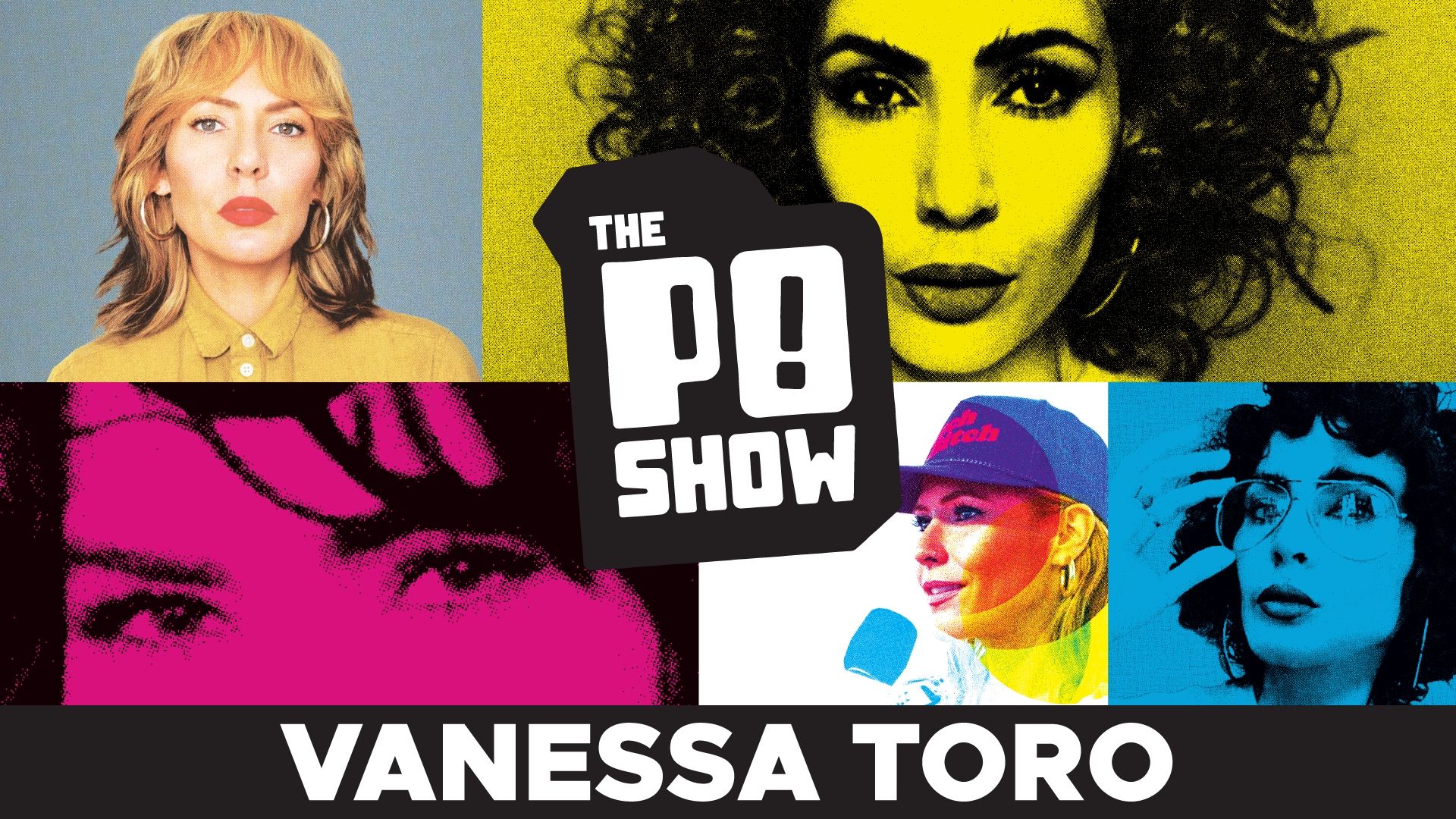
Vanessa Toro
Cultural Strategist & Experience Architect | Indifference-Slayer
Episode #7 · October 13, 2026Your Framework Is a Receipt
Vanessa Toro once put "Give all the damns" on a clothing line, and after nearly twenty years in advertising she's still giving them. She's just got less patience for jargon, for decks mistaken for thinking, and for anyone who says AI is inevitable.
She’s a strategist, a speaker, and a public observer of the strange things we all do while chasing attention, approval, and belonging. Stop polishing the receipt. Go do the thinking.
Worth a look
Some of the goodies mentioned, just one click away.Guests Work:
2 Ways to Listen, Wherever You Already Hit Play

The Brand BuilderNearly twenty years of learning what makes people care, and what happens to a good idea when too many people get a vote. Vanessa takes the long way through culture, craft, and the case for gathering in person, and lands on the idea that nobody is self-made. This one's the full story.
The PO NotesWhy a framework is a record of the work, not the input. Why AI's "inevitability" is as much marketing as anything else. What happens when companies mandate gathering. And how the heat at Cannes melted the velvet ropes. If you've only got fifteen minutes, start here.
Show Transcript
IntroPhillip Oakley: Today's guest once ran a clothing line with the tagline "Give all the damns." Which tells you two things: she cares deeply, and subtlety has never been her strong suit.
She's spent nearly twenty years inside the advertising machine, working with brands like Delta, T-Mobile, and Mercedes-Benz. Long enough to learn what makes people care, and what happens to a good idea when too many people get a vote.
These days, she's a strategist, a speaker, and a pretty public observer of the strange things we all do chasing attention, approval, and belonging. Herself included.
Vanessa Toro, welcome to The PO Show.
Vanessa Toro: Thank you so much, Phillip. Happy to be here.
Catching UpPhillip Oakley: Yeah, awesome. So look, you've had a big summer already and you have just a mountain of stuff waiting for you when you get back from your trip. We will have lots of time to talk about that. But like we just need to catch up a little bit. Like what have you been up to the last six months or so?
Vanessa Toro: What have I been up to? Well, I moved into Experiential a little over a year ago. So I would say six months ago is probably when I actually started doing it. There was some amount of time of just recalibrating and seeing what strategy means when it comes to a space. But probably six months ago is when I started to put pen to paper to inform this year's ideas and spaces. So it has been quite a journey and almost a tour of seeing my briefs come to life this year. And I'm home right now for the time being. But yeah, finally getting to see what a thought germinates into.
Phillip Oakley: Nice. That is really cool. And we'll get more into the work soon.
The AppetizersPhillip Oakley: First, let's jump into some of the show appetizers as well. When you and I first met, it was through Mark Pollard's Sweathead event, the do together. You were co-hosting with Lexi Perez. You've been a mentor, a panelist, a speaker, instructor, podcast guest. You've done all these things. You've been, as you just said, you've been all over the place. You've done different functions within the agency land. If anyone needs a podcast, it's you, right? So if you were to start your own podcast, like who would be your top wishlist guest?
Vanessa Toro: [Name unclear on recording]. Yeah. I'm not really a podcast girly, believe it or not. I feel like the train has left the station for me on that. But when I think about who would I love to just sit in front of and say, How does it feel to be you? What is it like? He immediately comes to mind. Even as someone who's not on social media. Because despite the fact that I am not on any platform besides LinkedIn, his content, his storytelling, his brand makes it to me every single day through different avenues of my life.
Phillip Oakley: That's fantastic. And I it just goes to show how much larger any kind of campaign or personality or brand or business is much bigger than the social media screen, right? And that good messages get out, especially when they're coordinated. So again, it doesn't matter your background, if you'll pay attention to what the guy and his administration did, they crushed it and reached the people they were after. So moving on to the next question, what's something interesting about yourself that maybe even people close to you might not know?
Vanessa Toro: I started like many people cutting their own hair during COVID. Okay, we did it. But I continued. So I've gone from here's a tool that you found on Amazon and you watched a YouTube video to actual razor cutting. You know, I have a professor online, I've learned these techniques that are about letting mistakes take their own shape. And I've really enjoyed that because even though I've gone back to my stylist and spend way too money, too much money on my Teddy Graham color, I continue to cut my own hair and probably will never stop because it's such a experiment in letting go, but also just it's so impulsive. It's like, you know what? Today I want something to dangle right above my eye, and I'm gonna give myself that. And I can change my mind in a couple of weeks. It makes me a lot less precious, you know, about hair, but also just about things. So that is something I've kept going.
Phillip Oakley: Yeah. I really like that too. And you know Mara, I bring Mara up a lot on the podcast, but like she looks at it and she's like, It's just hair. It'll grow back if I don't like it. So do something. But you said two really cool things. Let mistakes take their own shape. Wow. Can you use that in a lot of different parts of not only life but our business? That's fantastic. Yeah, I like that. That's very cool. So the brand question. What are three of your favorite brands? And if you remember, how did you first think or how did you first find out about them? And when's the last time you bought them, if you have?
Vanessa Toro: You know, I think I will struggle to even surface three. And I don't even know if I want this recorded because 'cause it's very honest. I'm going to be extremely honest. Big one, because I am, yes. But no one rocks harder for Coca-Cola than I do. And I will tell you, I have no interest on working on the brand. You know, don't call me to go brandside.
Phillip Oakley: As you should, yeah. Huh, okay. Atlanta girl. Yeah.
Vanessa Toro: And it's not about the marketing, even though it has at different times reached beautiful peaks, right? Tops of hills. The association that I have with this product runs very deep. So one, it's simply a part of my ritual. Anyone who knows Vanessa Toro knows about the Mexican Coke situation. Or kosher coke, right? Wherever I can get my salt, not salt. I'm doing the hand motion. The cane sugar difference. We are not going to sideline this conversation with the recent formula change that was brought about by our Temu president, but Coca-Cola for me has a lot of embedded joy. So even though it's been a part of my life for you know 40 plus years, when I crack open that can and that sound, that sonic device absolutely goosebumps. I was just in Cannes. I would ask for Coca-Cola. They'd bring a chilled bottle, and my reaction every time. Just straight elation, hand clap, sit, and they you know say to me, where are you from? This is my very bad attempt at doing a French accent asking in English. Where are you from? They don't have Coca-Cola. I'm like, no, we have Coca-Cola. Okay. I'm from Atlanta, baby. We have Coca-Cola. It's that every time it's served and brought out.
Phillip Oakley: You're that excited, yeah.
Vanessa Toro: I have a visceral, strong, joyful reaction to a very cold Coke bottle when I want and need it. And I don't deviate, do not try cherry, vanilla. We're not doing it. We are we are Coke Classic forever. And I have a refrigerator stocked with the mini cans. And I will drink it till the day I die, even though everyone tells me it's bad for me. That is my vice. Coca-Cola classic. Deal with it. This is what I say. It could be so much worse. I absolutely will compare it to other drugs. Yes. Yeah.
Phillip Oakley: Yeah, that's it's my advice. I'm having a coke, leave me alone. Like what the it could be so much worse, right? Yeah, there you go. No, but it you know, I love that you brought up the sonic like connection there too, but also like the two liter bottles, okay, fine, and the restaurant glass is fine, but to see that actual glass bottle with the condensation on the outside of it and the little sweat, you know, running down the side, they've they've shown that to us in the commercial so much. Like, I don't even drink soda, but I want that now. Just thinking about it, right? So, yeah, no, that's a that's a real thing. Well done.
Vanessa Toro: Yeah. And Share a Coke time was my time, right? Everyone, not everyone, but I received several personalized bottles. People went out of their way to give me, right, my bottle. And I have a few that I collect because for all, you know, intents and purposes, I am all bought in. On the notion of this formula. And I do try it around the world. And there are some places I do not like it. And other places I like it more. But I consider myself a Coca-Cola connoisseur. Yeah.
Phillip Oakley: Nice, nice. Well, that may load up all three brands right there. Is the anything else you want to share? Is Coke it? Coke is it.
Vanessa Toro: Coke is it. Don't even say we don't have Coke. Is Pepsi okay? No, Pepsi is not okay.
Phillip Oakley: Yeah. So there's my parents live on the coast in North Carolina and there's a restaurant there that I took note. I snapped a shot and meant to let share it on LinkedIn ages ago, but it was obviously that their deal, whatever the restaurant's deal is with Pepsi. And so they have all the Pepsi on tap. But yeah, your face is exactly right. Well, they learned because they have a marquee outside that says, We serve Coke in bottles. So they have Pepsi on tap, like on the gun, right, at the bar. You can also get a Coke in a bottle. So they're smart. That was really a smart little small business thing.
Vanessa Toro: Yeah. I will absolutely walk out.
Phillip Oakley: Yes. I love it. Nice.
Vanessa Toro: So no, I have no other brand. That's it. That's it. We got nothing left.
Phillip Oakley: That's it. We're done. We emptied the barrels. I love it. It's great. So you know, Coke. Coke has done, like you said, that it's been on the top of the mountain a few times and it's influenced culture. And gosh, give the world Coke was such a wonderful little memory of my childhood. And culture is a big thing there. Let's talk a little bit more about culture as we get into the meat of the podcast.
The MeatCulture Defined
Phillip Oakley: That word gets thrown around a lot in our industry, right? And as a strategist, to you, what does that word actually mean when you're out doing the work versus how it gets used on a panel or on some LinkedIn feed somewhere?
Vanessa Toro: I mean, it still means to me what I learned, you know, as a freshman in college, right? Or in sociology, which is a people's shared values and norms around what we believe, reject, pass on, repress, celebrate. It's all the visible and invisible structures and how you know, we make things fall within it or outside of it. So it's really all these artifacts and language and symbols and visuals that create the meaning that we ascribe to it. And that can be, right, those groups of people can change. Right. There's like human beings, there's Americans, there's Atlantans, there's Appalachians, there's and you can get more and more and more niche. But all of those groups, whatever they are, share those sort of tenets around language, artifacts, meaning, all that kind of stuff.
Phillip Oakley: Yeah. And I love that you point out groups too. I see the word culture used a lot and it feels like this is what's now and anyone else who doesn't reflect on this is wrong when that's not really how any of it works, right? Yeah you know, governance and companies change those things and help shift it over time as well. But yeah, like you I love that you mention Appalachian, like, you know, yeah, like what's happening there is not what's happening and like the cutting edge stuff on the you know, the streets of Atlanta or in Manhattan, right? It's there's lots of different things, including Cannes, right? There's a lot of different things there.
Vanessa Toro: Right. Correct, correct. Yeah. It's just a strange notion to say anything's happening outside of culture because because we're all part of it. Right. So on the one hand, we are all participants and taking part in and drinking. We are all swimming in the same water, and that water is the culture. I do think culture has been used as a code word for other things though, you know, be it that's really, you know, dope, or you know, in black communities, the culture is specifically referring to African American culture, right? And protecting it from things. La cultura similarly is the culture, but specifically when we're talking about Latin groups or Hispanic groups and what it means. So it's a word that has meaning, but has gone on to take on other synonyms for people who aren't as precise with their language, you know, or want it to sound, I don't know, maybe more academic than just saying, like, that's really fucking cool. You know, so yeah, it's an a trying time. I feel like this happens with every word. Not just in, you know, Western society, but specifically advertising, we will beat any word into the ground. Any word that had meaning, or a year later, we all hate it. We hate it. We don't want it, no one wants to hear authenticity, community, right? There's all these words that are like they're beautiful, great, meaningful words. And then we just want to do away with them because. People just ride into the ground. We do, we love it.
Phillip Oakley: We tend to ruin a lot of things, don't we?
What Strategists Actually NeedPhillip Oakley: So you know, we talked about ruining words and we talked about ruining frankly culture sometimes. And some of those things do get used. And I think sometimes it's people find words like culture or frameworks or something. It's easier to sell that way. Not only sell to clients, but sell things internally, or frankly sell them ourselves on social media sometimes too, right? And so the word strategy is one of those things I think gets ruined a lot. And people want to like shoehorn or you know, put a put a bento box around like what strategy means to them. But I'm really curious, you know, how you define it and what it means to you and your profession. If you were to actually build a strategist toolkit from scratch today, what's in your bag? And what's the dead weight that everyone's carrying around that needs to be purged?
Vanessa Toro: I'll start with: I don't think there's any industry or discipline that explores and examines just the name from so many angles than strategy. And I know I'm in it, and so my view is skewed by that, but back in the old Twitter days, at least once a week, there was a beef about what. Strategy means or insights or and while I think these things matter in that words matter, I ultimately don't think the definition matters because what we've learned is people will do whatever they want and call it whatever they want. So rather than trying to put discipline or rigor around a single word, I simply do it to what I do. If it gets called strategy, great. If it doesn't, I'm also fine with that. For me, prior to ever entering advertising, I did not know of this world. Okay. I am a teen. I am to me, strategy meant how you get somewhere, a choice you make, and the path you take. It doesn't mean that there's only one, but simply. There are many options. You make a choice. That to me, as a child, meant that was your strategy. It is many, many, many years later. I don't think that my juvenile definition was that far off in terms of, you know, what is it you want to accomplish? Okay. How do we get there? And then choosing, and that means also sacrificing. Right. So one of the things I think I struggle with is all these variations of strategy. You know, now I'm an experiential strategist, but nothing about me or my toolkit has changed. I am the same person that I was 20 years ago, 18 years ago, 15, I mean, for the most part. And what I see is that these are just expressions. Experiential, social, comms, whatever, discipline, channel, those are merely expressions of the brand, the approach, the thing. So I'm less interested in the hyphenation and in the delineation, although occasionally it could be helpful. When I think about students or people that I have coached and tried to prepare for this industry. I've told them very plainly that being great writers is part of that. And some people are like, well, that's a talent or, you know, writing doesn't come easily to me. And I'm not saying that it has to come easily to you, but I do think great writing is a result of great thinking. So you cannot get to clarity, you cannot get to sentences people can wrap their arms around, stick with, you know, wrestle with, unless you are able to parse out all this information and misinformation and get to the juicy bits that matter. And so, yeah, I think there.
Phillip Oakley: The juicy bits that matter. Yeah.
Vanessa Toro: I would say that being a great writer factors in a lot more for me. I would I am more likely to test someone's capability in writing a story or relaying information than say spot the insight necessarily because one of those things could be more easily taught, I feel like. So it'd say writing, judgment, right? Having a point of view. A lot of younger strategists are challenged by that because essentially they're brand new to the role, to the industry. And some of them feel uncomfortable, right, having necessarily a point of view because they're 24. They're still figuring out who they are. Their frontal lobe is still working itself out. Right. There's things where they're like Well, I don't want to necessarily put forth my point of view. And it's not that it has to be even yours, right? My politics cannot come into play with all my work. I do have to navigate that. And so it's just about having enough conviction, but also humility. Right, as we as we grow and change and or as brands encounter new things, you also have to have enough humility to know what maybe what you thought was the right choice isn't. Or it's time to steer in a different direction. So when I say having a point of view, it doesn't mean it's cemented and fixed. It simply means that you believe it and can argue on its behalf. You know, without feeling gross about it, right? So other toolkits. I mean, I feel like we have an over reliance on things like frameworks and personas. Like don't I don't want to see a persona. Also leave Carl Jung alone. The man was wrestling with something else and trying to help us heal. You know, like
Phillip Oakley: Like what? Mm-hmm.
Vanessa Toro: But those are tools that some folks have found very handy and they have a hard time letting go of them. I am firmly anti-archetype, not broadly like in life for real, but just like in my work. Why why are we even doing that? But yeah, I to me it's like a framework. It's great if you have nowhere to start. But if you have nowhere to start. We need to talk, right? It's because there should be a germ of something, right? It's something amazing, something terrible. Something terrible is also a great place to start. To me, a framework is really a visual receipt of the work done. It is not the input.
Phillip Oakley: Ooh, I like that. Visual receipt of the work that's done. That's nice. Yeah, it's a good comms tool a lot of times to help people who weren't in the thinking understand the work that's been done. So I really like that's sweet. The receipt for work that's been done.
Vanessa Toro: Yeah, I th I think I just think of it as an organizing tool. It's good for people who have a plethora of information, need to arrange it, but it doesn't get you to I mean, it's not something you use to take leaps, right? It is a tool of logic and symmetry and sequence, not imagination.
Inclusion, for real … like for real, for realPhillip Oakley: Nice. Excellent. You know, you and I you mentioned Twitter, always Twitter, by the way. I miss you on Twitter, by the way. I went hunting, looking for your socials, and was sad to find out that you were no longer there. But I completely understand, you know, that a lot of things have changed in the world. You also mentioned a moment ago about, you know, we have to take our own personal biases. This is a profession we're doing these things for company, for a brand, for things that may not align always with something that that we want to see in the world. But, you know, there's words out there that change, kind of like strategy, like inclusion. You've talked about inclusion meaning more than just a seat at the table. What does it actually look like in practice for you?
Vanessa Toro: In practice for me, it's all the conversations and judgments made before gathering a table. So, you know, visibility, representation is the lowest bar on the inclusion ladder. And that's why it's what most brands and companies will default to. But it's also the first thing to go away when you're challenged. Which is a really sad state of affairs, that just depicting someone can be a radical act, you know, and the pendulum has swung so steeply in that direction. That it's really hard to even talk about inclusion. We just live in an alternate reality now.
Phillip Oakley: The fucking world's upside down right now and it drives me fucking nuts.
Vanessa Toro: The mere I'm just saying the mere suggestion of inclusion will get you shut down immediately. It's not that I need to provide the answers, but we have to be able to hold a lot of contradictions. And what we know is our audiences struggle with that. And we and I don't trust our audiences or people in the wider world to hold those contradictions.
Phillip Oakley: So in the in the show pilot that I'm gonna do, I talk about that, the ability to actually hold two arguments in your head and find the gray area in between that does the right work. And for you to say that not everyone can do that and it gets shut down way before a CFO even fucking does it. Again, this is about you, not me today, but I had a I a fucking killer idea for like a caulk company a couple of years ago. You know me, I'm pretty fucking liberal. Period. I had someone shut down the idea because it was for a national monument and they were worried about the land that was like pulled from like Native Americans and the brain shouldn't touch that. I'm like, but no one's talking about that. Like, I am I'm pretty fucking liberal and conscious of this stuff, but it's we're selling caulk. But it got shut down and it was such I'm so used to things getting shut down the other spectrum. I didn't see that one coming. That idea wasn't even presented to the client and it pissed me off.
The Agency Model, What's Broken?Phillip Oakley: Let's talk about the agency model, starting with the word itself. We are struggling even with like w how to talk about Common Giant. Like we don't want to call ourselves an agency. First of all, it's even outside of like the shit that you know, people in the industry are paying attention to. But also like a CFO at a two billion dollar company or a five hundred million dollar company, they hear the word agency right off the fat right off the bat. The word agency's been ruined. They think we're, you know, just coming in to milk the bottom line, you know.
Vanessa Toro: But then when you try to call your something else, like a consultancy, a studio, right? We when you try to find the open the thesaurus, it comes back to haunt you because then it's like, well, what is it that you're trying to hide from? Why wouldn't you? So it is a right now, I think independent agencies and shops are the darlings.
Phillip Oakley: Yeah, good job.
Vanessa Toro: In the creative conversation, but not in awards infrastructure billability. You know, I don't think they're getting the actual financial support, but from a headspace and like who is lauded, it's the indie, the indies. And I think that's why so many of them are gunning for awards to show. Right, what we all held to be true. Creativity equals business impact. Therefore, we're gonna go and you know, wipe up all these epies, eppies, Jesus Christ, all these EpiPens, all these effies, all these lions, because it's like you have to get this credibility. So the game is on, you know. But yes, that is hard to figure out. Because the word agency means schmoozing and time codes and the trust is gone. These are very real concerns. And even the shops that aren't saying a lot, it's because they're just going and getting those awards because they already know the deal.
Phillip Oakley: And the small shops are doing great work without bringing 10 people to the meeting or bringing senior talent to the pitch in the first meeting and then it's juniors with bad titles, you know, on the backside doing the work. So there's a lot of that stuff. You don't get that with the indies and the small businesses or small agencies or small consultancies or small studios, whatever they're called, right?
Vanessa Toro: Yeah. What I do find though, and it's at least my experience, is it's very difficult to bring junior talent into indie spaces. Because what you have is a small squad of heavy hitters, of multi hyphenates, people who can sell and write and concept and push and debate. And so what happens is none of us can take our foot off the pedal long enough to go develop someone, coach, let them make mistakes because there's eight of us, and we're, you know, supporting families. And that is a very real tension that I see and that I have chatted about with many small agency owners. How do we create a pathway? Because you know what, we are in office a couple days a week. So it's not a matter of like the distaste for gathering. We have that. But you used to have programs that were like, come learn about the craft. Perhaps dabble and see if you want to do account or strategy or media. But now we're like, do you have 15 years experience and can you get going tomorrow? And there's so many freelancers on the market, seasoned freelancers, that often the answer is yes, we can find someone with that level of experience. But once again, shortchange the rising talent. And I guess they're going to the really large places that can accommodate them. But where maybe you know the work or conditions or any other number of things are questionable. But that is one thing I lament. And wish there were a clear way to make room. For tutelage and learning, that you personally have to be very passionate about it because it's just like you're just taking on another job.
Phillip Oakley: Yeah. You know there's lots of things getting in the way industry, advertising, marketing, whatever, you know, there's lots of different paths there, right? Within advertising alone, you just named several job titles. Some have you seen where some of the universities, I think University of Tennessee is one of them that's actually starting an agency within their marketing program, so that the kids are actually learning from a professor whose job someone's been in the industry for 20 years, but they're literally like treating the students like junior team and like for a real client. That seems like an interesting path.
Vanessa Toro: That is an interesting path. And it actually, now that you've said it, causes me to recollect that I have seen resumes that show three-month or six-month stints at the college marketing team. Which now it's all making a lot more sense, Phil. Yeah. I could see the need for that. To at least guarantee a form of exposure. Not that colleges or universities are into guarantees, but you know, probably just trying to provide some more infrastructure before releasing them into the big old world.
Phillip Oakley: Yeah. And are they going to put them in the back of a cab in a busy city and have tell them to change the keynote five blocks from the client's presentation that you're 10 minutes late for? You know, what's the real pressure they're going to put them under to prepare them for unfortunately how fast the industry moves, right? So again, lack of ability for juniors to find a path to become, you know, experienced. Large agencies that could hide that kind of thing and help grow future talent, expose them to things. Those are all real and getting in the way. And what's the 300-pound gorilla that's telling people we don't need agencies or creatives anymore? It's AI. Where do you see AI fitting into all the stuff we were just talking about?
Vanessa Toro: Girl, you don't I'm going to say I am still working out my public stance on AI in terms of its qualities and its detrimental aspects. But what I feel very confident about is I am a skeptic when it comes to its inevitability. I do not buy that this thing that nine men are funding, putting all of their power trying to drain our water, trying to become part of our, you know, civic structure for is inevitable. I think that is as much marketing as it is anything else. Anything we've told that we can't stop. There's always an alternative. So I use AI. Absolutely. I don't use it to write emails because that's not something I struggle with. But I do use it for condensing large reams of information where a citation is not needed. It's a matter of, you know, very big pools of info. You know, occasionally it will help me from getting my ass handed to me because I need it said differently. But by and large, I think AI does what it does, what technology does, which is people don't know how to get somewhere because of GPS, and people don't know how to move through the world. So if now you're also outsourcing thinking and writing. That just doesn't seem like a lot of prosperity on the other side of it. So I'm choosing to be intentional and I'm still maintaining some level of autonomy from it. However, or and I think it's important that I be aware of how to use it, how to prompt it, because the people at the helm have been for quite a while. And we know that bias is baked into all of these things. So when I see futurists and AI enthusiasts of color, I am not like, what are you doing? You know, I'm not questioning their belief in technology because I think we need all kinds of voices in the future and firmly planted there. I just don't personally believe that we need to subscribe to this idea that there's not a life or future without it. And that's about as clear and eloquent as I am on the subject right now, because it is an ongoing debate. I probably talk about it four to five times a week. In everything from the context of my nuclear family to clients to the neighborhood. I think it's really something we have to reckon with and decide if we want it to be part of our future.
Phillip Oakley: Yeah, and you know, something that's important for our industry, remember, is not I love bias' bait, scribbled that down. That's really that's really good, Vanessa. Is to not get stuck staring at our own nails or the navels of whoever's running the industry or whatever who's writing what. I especially don't need to just let the, you know, handful of billionaires who are driving this tech stuff. Like Sam Altman said he used ChatGPT, I call it Chat Tibet. He used Chat Gipity to like raise a baby. And he was like, Yeah, I would never could have done this without this, you know, without ChatGPT. And I'm like, Fah. Yeah, like how do you think it's happened up to now? It's because we spoke to people and we spoke to our parents and we spoke to our family and friends. Like, this is you're cutting all of that off. And I hate that. But again, talk to real people. If you and I drove to a local grocery store and I don't care if it's here or in Atlanta and walked through the grocery store and just stopped few front, asked them how they used AI that day. I might be wrong, but I'm guessing the largest percentage would say, I didn't. What do you mean? Like how should I use AI? I don't care. Right? They may have used it to search for something instead of using Google, you know. But it's just not such a major driving force for people's real messy lives that happen outside of the Black Mirror and where the AI just doesn't need to join us.
Vanessa Toro: Right, right. Yeah, and also what is it that we're hoping to free our time for? Right. I keep hearing free our time. And then I see robots dancing and making art. Like that's what I wanted to free my time up for. Why do you have the robots doing it? So we know this country's not into universal basic income. We know that. So how? And for what are we freeing people up from their craft or their work or their, you know, like now we're into the world of friction. We're like, give me friction. Give me inconvenience. Please inconvenience me. Because we went so far, again, we take things too far. I really do think everything would probably be settled if it were a case of moderation and of us being able to know the benefits and cons of using different things, but instead, you know, we just go hard. But yeah, I just want to know if most people aren't required. Most people do what? Because we vilify people who don't have things to do with their time, people who can't find work, people who are poor. So what exactly? And I personally get a lot of purpose and satisfaction from making and doing. I don't want to be absolved of it. So yeah, it's very interesting what people perceive and want to tell us is a better way or progress. And it's not at all different from, you know, a hundred years ago or five thousand. This is a story as eternal as our existence.
Phillip Oakley: Yeah. Well said.
Cannes Unvarnished, Right Off the PlanePhillip Oakley: Well, speaking of friction and heat and discomfort, you just got back from Cannes. So I mean what the you've been back for what a week or something like that? Like it's so you shared a LinkedIn post recently the recently about the absurdity and performance of Cannes, but how the struggle the heat
Vanessa Toro: Yes, it's been a week.
Phillip Oakley: All of those things actually add value to you know to the hard to manufacture value of showing up in person. Can you tell us more about that great equalizer in quotes moment you had there?
Vanessa Toro: Yeah. I mean, it's partly in jest, right? We don't we don't want to be suffering. But I do think that in spaces where we're plagued by performance and posturing, right? We're we're adults, we're executives, we're busy, we're important. In places where we feel the need to uphold status or title, it's very interesting to bring about a condition that is uncomfortable, in this case the heat. And seeing people who otherwise seem perfect, perfectly quoffed, pressed a linen suit, came in by helicopter, beautiful shades, not wearing socks, you know, they're doing the whole thing, are absolutely melting under the unforgiving sun. And there's some force that makes us all have to reckon with being the same, you know. I personally was loving it. As I sat there with my parasol. I mean, we know it's gonna be hot. Every it was my first time attending, but I did my homework and everything said, girl, it's gonna be hot. ChatGPT said it's you know, on average, really hot. So one is that some amount of like you can prepare, but did you? Or you do you believe yourself impervious to these things? But I'm sure also there's a way people will find a way to elevate themselves out of this. Right, be that a you know, air conditioned, clear box that we will be able to view this person from, you know, nice and cool, in their glass box. I don't know. But I thought that it had a really strong effect on making everybody feel similar, and therefore it disappears any of those ropes of which there were many, the velvet ropes. The different echelons, that all just sweats away under the sun. And you can manufacture the beautiful spaces, but you can't manufacture the encounters and like the very real humanity of like, fuck, it's hot. Yes, I'm a CEO. And man, you and I have so much in common. Not that we want to be talking about the weather, but it just removes that veneer. And I think that's really powerful for getting to like meaningful stuff pretty quickly because people don't want to circle a topic because again, it's just too warm to do so. I wonder if our conversations are gonna get even shorter as the world warms up and we're like just get to the point, you know. It'll be interesting. But yeah, I thought not just the heat, but also the distance. How far apart things are, you know, your watch letting you know you're hitting 30,000 steps, baby. You know? It really reminded me of why I should have been moving when I was still back home. You know, why did I wait until I was overseas to get off the couch? Should have tried it, I should have trained.
Phillip Oakley: So besides the people in the glass box and the and the great equalizer of the heat, which really is nice for us all to have something that kind of brings us all together, even when it's a just as Monty Python said, just just a little bit of terror, just a little bit of danger, just a little bit of discomfort, right? Were there any big events or things that you really learned from or could bring back or point us towards to search for online?
Vanessa Toro: Well, I mean, s certainly if you if you were lucky, fortunate enough to have a pass, you have ex access to all the work, which is at the end of the day what matters and what's still found in the basement of the palais. I know we're all like, where's creativity? That's where it is. I will say this. There's far too many events going on. For you to possibly experience even a third of them. Again, as a first timer, I try to learn from my forefathers. And in general, I don't suffer from FOMO. As a regular person, I love being home. So I don't struggle when I hear that other people are having a good time. But a place like Cannes can make it very difficult, not just to feel like you're missing out, but simply that you chose wrong. Because there's so many options. And I actually think that is part of what's not working. The main attraction has receded. While the awards are being given out, there's 20 other things you could be going to. And so there is no mass gathering. There is no shared moment of monoculture. It's as fragmented. As your phone, as your digital experience. You can have whatever experience you want to have without ever encountering so-and-so if you choose, because there's so many options.
Phillip Oakley: That's unfortunate. Or fun, I guess if you Yeah. That's right. You might that might be what you're after.
Vanessa Toro: Some people might love that, right? I personally think it's drowning in the amount of choice. But you know, I probably would say that because I'm all about preservation and importance and scale not having to take precedence over, you know, the these more meaningful things. But yeah, I'm curious to hear from all the goers, you know, because people obviously want to know, is it worth it? Is it worth it? And I have my answer. I'm very clear on it, but I'm very curious, other attendees this year, what their day wound up looking like with the choices they made and the spaces they inhabited, the lines they waited in. You know, I'm sure they do some kind of poll. I'm sure there's an email I ignored that wanted my feedback. I'm actually gonna look when we're done here.
Phillip Oakley: Go find it. Yeah, exactly. Well, I'm glad you had, but I'm still, I mean, just you shared some things on LinkedIn. I was really happy to see you able to see so many amazing people that I would love to meet in person, by the way. We won't name them. But you know, those in real life moments are really making a big difference. Something else you've talked about is the nuance between like the in real life connections and mandatory like return to office. Can we discuss like the gray area between the real connection and just the hypocrisy of just forced connection?
Vanessa Toro: Yeah. I'd love to because I'm a big believer. I'm a big believer in the value of in-person. But just like anything else, right, you don't want to be volunteered. And what happens when you mandate things? I mean, we all know what happens when you mandate things. You have people who rebel simply for that fact. You want me to wear a mask? You know, you want me to maintain my distance. That in and of itself, for whatever reason, strikes resistance. But furthermore, I think, you know, a lot of companies are walking away from something that really unleashed their workforce, you know, that really I will always look at COVID as another equalizer in demonstrating that we could have accommodated people. We could have been working remotely. We could have been finding talent and giving people with different needs access because they didn't need to move to Manhattan or they didn't need to sit in this particular setting. And we're walking all of that back. You know, even tech companies that enable working from home are like, come be in Palo Alto. Five days a week. And what we say when we want these little collisions is to create the conditions for that. That when we gather, one, we want to be there. And that we're redesigning over people being together as opposed to commuting into the office to take a Zoom call. So that's what happened for the first few years of returning was yeah, everybody came back, but nobody works together anymore. So everyone is alone together in a row on their independent calls, right? And so it's it always is going to come down to intentionality. Why do we come in?
Phillip Oakley: Together.
Vanessa Toro: Okay, I understand that places want to make their investment in leasing and real estate not be for naught, but there's ways to work around that. Maybe have people come in some days and maybe rent out the space on other ones. But my company where I'm at currently, we come in, we call them studio days. There's two days we come in, and those are very intentional days. That means we're not just going to work alongside each other, we are also going to eat together. And so we have a very long, big communal table. And it does not feel forced because guess what? When you like the people you work with, when you're trusted, when you're given autonomy, and when you have a beautiful space, you're then happy to come together. And to talk about a project in person and to split a coke and whatever else. And it's now we have some remote workers who have no office to come into, right? Like people, our office is in Atlanta, and there's people all over the country, but we still have a monthly gathering with them that we call Assembly Hall, where we have some programming, but you have to keep that connective tissue and you certainly don't force it by simply throwing everybody into the same room. The notion that everybody being overwhelmed, no longer having the flexibility to have their like, you know, anxious dog with them or whatever the case may be, is bringing out better work. I don't think that that's what companies will find. I think like everything else, it's in the nuance of gathering with intention, of redesigning around that, and even potentially reconsidering the team structure. Right? If during a certain time you had people from this time zone working together, and now, you know, that's not fruitful, perhaps reconsider it. I don't know why we just won't revisit the way we do things. It's like there's before and there's after and now we're going back to before. Why isn't there something new?
Phillip Oakley: Yeah, where's the gray area, right? Well, and I love the idea of it's although you want things to be as equal as possible so someone doesn't feel jaded or left out, but to be able to massage different teams or different structures to like fit people, like there's so many you know, introverted people who really just don't want to be in the office and have someone come by their desk. And then there's people who are extroverts are like, wow, I can't wait to see my coworkers and not realize they're driving them nuts either. So being able to have those different things to set up would be amazing.
Vanessa Toro: Yeah. I also think it's important that we be in person enough to know how to read those cues. Can you no longer tell when someone doesn't want you to keep okay? So let's so there's value in that. And I say that as an introvert, I need time away to recharge.
Phillip Oakley: Yes. Yeah, it's really changed. It's a big deal. Yeah. Yeah.
Vanessa Toro: But I also love coming in and making some noise. Like I love to gather and have fun and like, you know, argue, whatever, debate. But I also need time away. And so even as the biggest introvert that was thriving during COVID, absolutely thriving being home, I do see the value and I feel the value of gathering with my colleagues. And sitting around shooting the shit and stumbling into a new idea or a new answer. And it's not something that necessarily would have come out in a Figma board. You know, and we shouldn't lie to ourselves about that either.
Phillip Oakley: Yeah, y yes, exactly. Yeah. If you quickly, for your town halls, is that that once a month? Is it all via digital or is that where everyone comes to Atlanta or?
Vanessa Toro: So anyone who is in Atlanta, so anyone who's in the area is like expected to come in, but not people who live in LA or Chicago or New York. They can choose if they want to gather, but mostly it's, you know, just zoom in. But the content we create very likely involves them. So we do a very like well-run production where we create content and you know, so it might be we in you know an employee who lives in Los Angeles was interviewed for this month segment. And so just ensuring participation and different perspectives. And honestly, I love the like get to know somebody in the company aspect more than getting to see our incredible award-winning work because like we know about that. But what you don't know is that this guy that is a sneakerhead and is always looking amazing is also a dungeon master. Right. Like just learning about the levels to people that will always and forever be my favorite thing. Yeah.
Phillip Oakley: Yeah, that's really cool. That's cool. We are we I have to manage our time here because we're we're gonna have a hard stop soon. One more thing I want to get to about Cannes. Oprah Winfrey received the Cannes LionHeart Award this year for creative influence to drive positive, meaningful societal change. And gave a keynote named My Heart is My Brand, with the focus of her talk on alignment, consistency, and a profound sense of purpose. Now, you and I could have a whole other episode about the virtues and signals of purpose, especially with brands. But it's hard to look at certain bodies of work without questioning some associations with some of the people who've had maybe the direct opposite effect in American democracy or the way brands are treated. Like what was your reaction to that?
Vanessa Toro: I so I was not in the audience. I did not attend her receipt of this award. I have seen lots of takes and recordings and got to watch a video. And I don't necessarily want to focus on her as much as our industry's obsession with influence, but not necessarily its consequences. And I think it's something that we will need to reckon with as a creator economy, influencer marketing, and this notion of transferring trust through a person takes hold. Did Oprah deserve to get an award for good work? Sure, I don't think anyone would contest that Oprah did has done incredible things, came for nothing, journalism. We know it. And did she introduce harmful figures into our collective conversation? Did she imbue trust on them? Did Dr. Phil show up at an ICE occupation and film himself? Did he get permission and support? Because for years we let him into our home as somebody who's helping families. Is the person in charge of our Medicare and Medicaid a capable physician that we would have chosen otherwise? And I know that these are roles that are given out and that we wouldn't necessarily have voted, but we are always voting. And we are always co-signing. And I think we really need to think about the transfer of authority. And I'm not gonna blame Oprah for everything, but I do think she has a lot to answer for in terms of platforming lots of people who ultimately have caused a lot of harm. Be they anti-vaxxers, pseudoscience. And as we bring people on to align with our brands, we like their voice, or we like, we have to be really mindful about what that means, what these endorsements mean, what they can come to mean. So it's more about, I feel like Cannes is a little bit removed. From America and I get it, right? It's a worldwide gathering for the industry. But from an American USEN perspective, it was wild for me, like so deeply ironic for her to be awarded that. Because what even? And that's all that's all I'm gonna say. We really we just gotta think about it, guys.
Phillip Oakley: We a couple years ago, one small brand we were helping, they had hired some micro influencers because, like you said, they'd like their voice. They had an audience, they felt trustworthy, and then the one of the micro influencers proceeded to go out and say whatever the heck they wanted to say about the brand. That was regulated. And because that wasn't discussed. And expectations set in advance, making sure that they understood the repercussions. Also, like this whole frankly bullshit about move fast and break things. Well, your brand, your business can get broken by someone moving too fast. And that person was not held accountable. They made their $2, right? I mean, it was more than that, but the brand was actually hurt by that. And now it made that brand more cautious in the future, but every day on social media, I'm like, my gosh, this person's spreading horseshit and should be held accountable because it's going to hurt people in the future. And the people who are being hurt won't realize it for a decade. So I there's so many levels to that. Agreed, Oprah's wonderful. That's not our point, but our point is like the things we introduce to the world, we should be held accountable for those things.
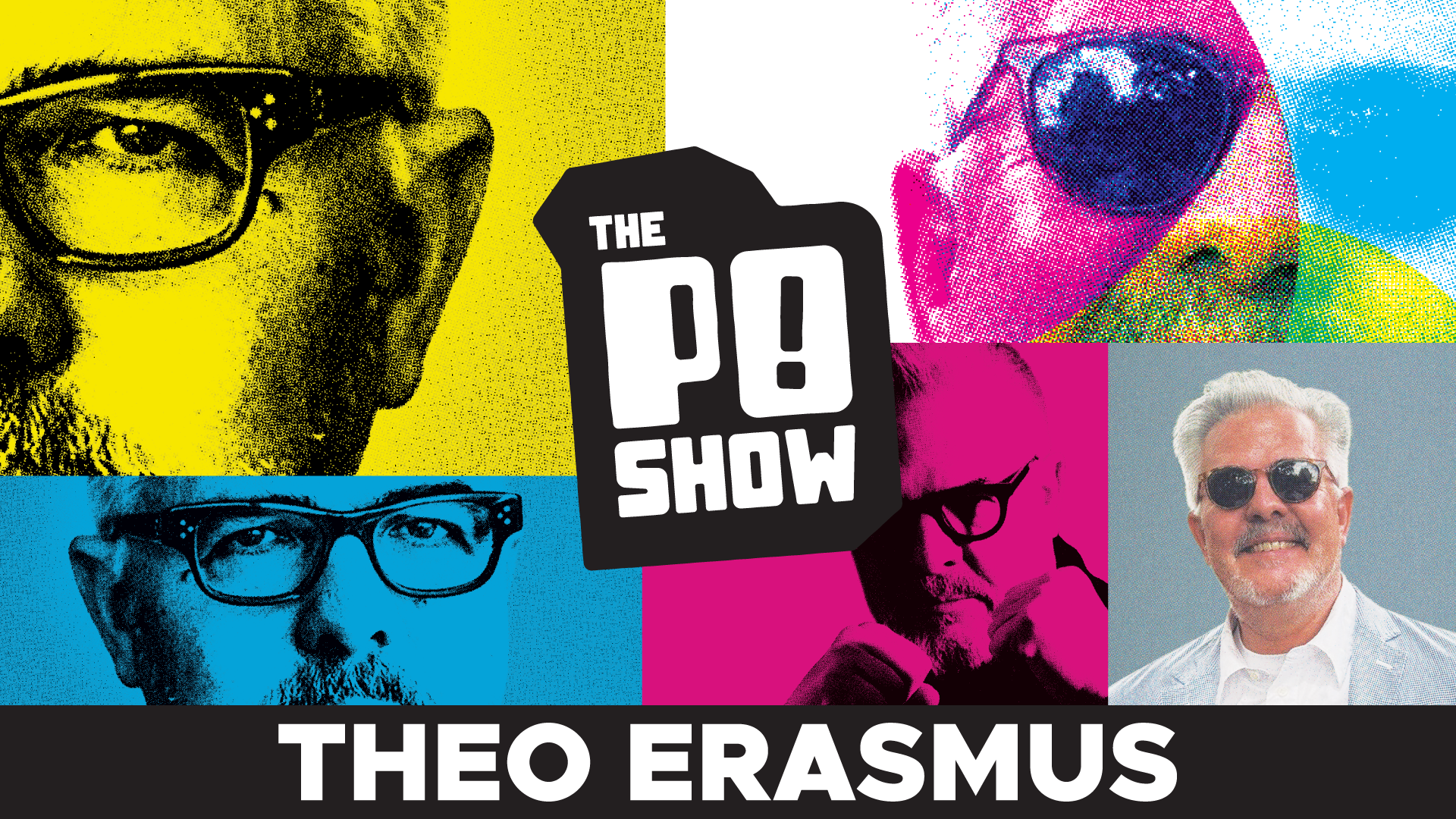
Questions from Industry FriendsPhillip Oakley: Right. All right. So here's a segment called Questions from Industry Friends. You've built quite an audience. You've met people all over the planet. You've worked with a lot of a load of people in the industry. And so I went out and asked a few of them what they would want to know if they had you in this chair. Theo Erasmus, founder and head of strategy at Rare Beast, wants to know what's the most surprising thing about Cannes. Sorry, I say Cannes, I know probably saying it incorrectly. And what was the least surprising?
Vanessa Toro: The least surprising was how ostentatious it was. Again, I did my homework so I knew. Cannes, "con," whatever pronunciation we want to use, is one of those things. You can read about it, people can give you tips, you can get as much of a download, and you will not understand until you attend. The only possible comparison that holds true for me is going to Disney World and not having a fast pass. It is hot. The lines are long. Some people are into it. Some people got the fits. Other people are surviving. It is a slog to get in. You gotta be early. Do you have your granola bars? I hope you packed a fan. All of yes, your chomps, your meat sticks.
Phillip Oakley: Mm-hmm. Your Chomps? We saw your Chomps and your kit.
Vanessa Toro: But the scale you just walk and it's activation after activation and advertising technology. I didn't know that so many tech players had taken over to the extent that they have. That the pipes and infrastructure of advertising are really what's on display as opposed to the thing that we do. I was most surprised by finding so much inspiration. I actually thought, well, ad tech beaches, you know, a shrinking creative base, fewer awards, fewer entries. You know, I certainly tried to keep an open mind. But all the things happening off the Croisette and the people gathering folks, the collisions, I just had so many great conversations, like waiting in line to go to the bathroom, which some of them were okay and some of them weren't. But yes, the bathrooms themselves. The conversations were great.
Phillip Oakley: Yeah, the bathrooms themselves.
Vanessa Toro: Yeah, I so not surprised by the ostentatiousness, surprised that a sort of skeptical first timer still left like a kid in a candy shop. Like still Yeah. I love that for me.
Phillip Oakley: That's cool. Yeah. That's fantastic. Okay. That's all I love that I love that for you too. I really, yeah. One day, one day I have to go. I have not been. I would there's just so many people globally I want to meet. I think that would be the biggest thrill is to go meet some of these people in person. Yeah, that's cool. The second question comes from Varney Hoskins. You were
Vanessa Toro: Yeah. That really is the whole thing.
Phillip Oakley: She's the marketing manager at IHG Hotels and Resorts. You were her instructor at Strategy Boot Camp at Miami Ad School in Atlanta. She was excited to share a question with you. Yeah. So her question is you've taught dozens of aspiring and junior strategists about the foundations of building impactful strategy. What's been the most rewarding moment and the most humbling moment of this experience? And I am aware that we're running out of time too, so no pressure about a long
Vanessa Toro: Probably the most rewarding bit has been forcing myself to do it. When asked to instruct and when asked to try to break down my thinking, when you feel like what you do is intuitive, it's actually really hard to take a step back and try to capture it. And that was a worthwhile exercise. And I really valued, Miami Ad School seeing the benefits, asking me to do it. And I'm also want to thank myself for stepping up and doing it. And also, just like this question came from someone, hearing from people who I you know, influenced or shared one little spark with years later, I still hear from people. It's really, I really do believe in our cumulative effect on the greater world. I've gotten to see that in many ways in my community, but one of the most special ones is certainly when someone that I simply said the thing they needed to hear. Usually from randomly talking. You know what? This episode might do that for somebody, Phil. Yeah, is someone coming back and saying, you know, you didn't know it at the time, but
Phillip Oakley: I hope so. That's part of the point of it, right? Is to give those audiences. So
Vanessa Toro: And hearing how it changed someone's trajectory or mind or path. And I think when we think about the fact that we are all that to each other, it's a really beautiful thing that we wind up in each other's orbits and potentially send each other into new pathways. But it's just a big old constellation. So I love that you even asked anybody who might know me to have some questions. I love that part of it.
Phillip Oakley: Th there's yeah, no doubt. I hope this getting this out into the world creates more questions and more connections.
Closing QuestionPhillip Oakley: So all right, speaking of closing question, if you could communicate one thing to every marketing channel in every city around the world or a specific channel that you select, what would that message be?
Vanessa Toro: To a channel? Like what does that even mean? What does that even mean?
Phillip Oakley: I don't know what it means. What message would what message would you love to just get out into the world?
Vanessa Toro: A message that I would just love in the world is know. Something about being the person you want in your life. But I took the question quite literally, like, you know, are you like, do you want me to shut down XYZ or tell them to stop doing this? I would love for everybody to know that there's not a single self-made person. And that we are all out here together doing it. And the more people you do it with, the easier, brighter, and more joyful it can be, even when it involves sorrow and grief and hardship. And one of the reasons why I'm still in this industry is because I have found so many other shiny people who keep those glimmers going. And so I would just tell everybody, you are part of someone else's constellation too.
Phillip Oakley: Amazing. I love it. I love it. Well done.
Sign OffPhillip Oakley: So how can the listeners find out more about you and your work?
Vanessa Toro: Listen, I'm only on the LinkedIn. Okay. We can we can we're we're only on the briefcase app. And I'm barely on there, but I do go there when I have something to surface or to challenge. But I love hearing from people. I probably am mostly answering messages. I do get a lot of notes, requests, you know, if you want me to be on your podcast, holler. I'll come better prepared maybe. But yeah, no, that's all there is to me. I am working on a substack, but who isn't? And I'm starting a salon series here in Atlanta to get folks together in real life. And there will be no Zoom for you to join in. If you want something like that in your city, I'm gonna challenge you to create it.
Phillip Oakley: Yeah, I love it. I love it. I hate I dropped that question 'cause I was worried about time. But yes, let if you'll get me some links and information about that, we'll make sure it's in the show notes we'll be able find out about it. Okay. Awesome. Vanessa, it's such a joy to spend so much time with you. Thank you for spending a few extra minutes and I look forward to talking to you soon.
Vanessa Toro: Thank you so much, fella. It was a joy to hang out with you today. All right.
Phillip Oakley: Thank you.
Keep It Coming